Dosan Media Dosan Media
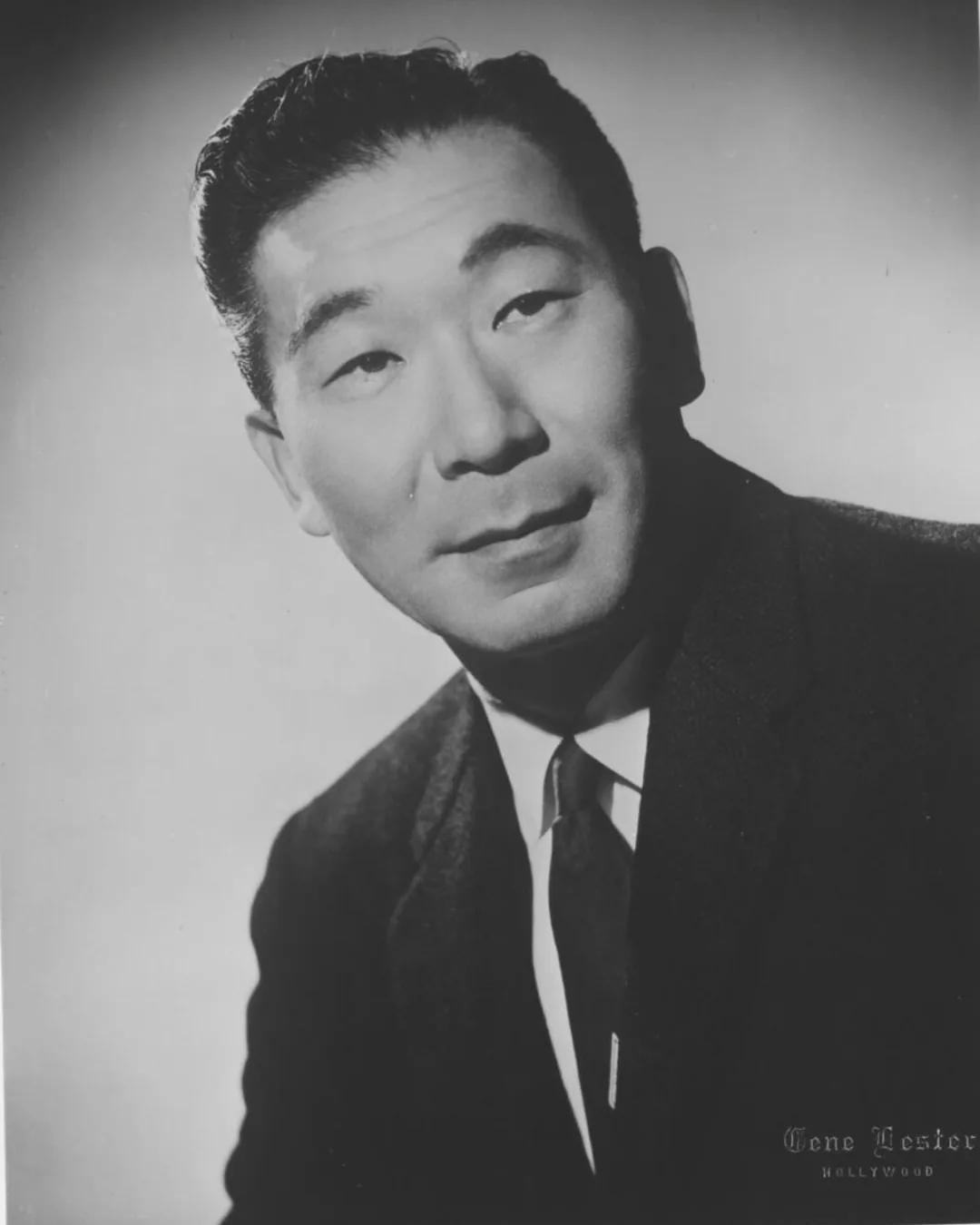
Philip Ahn, a studio portrait in a dark suit and tie

The lobby

Philip Ahn

The first Korean American actor in Hollywood

His mother said no.His father said:“Be one of the best.”

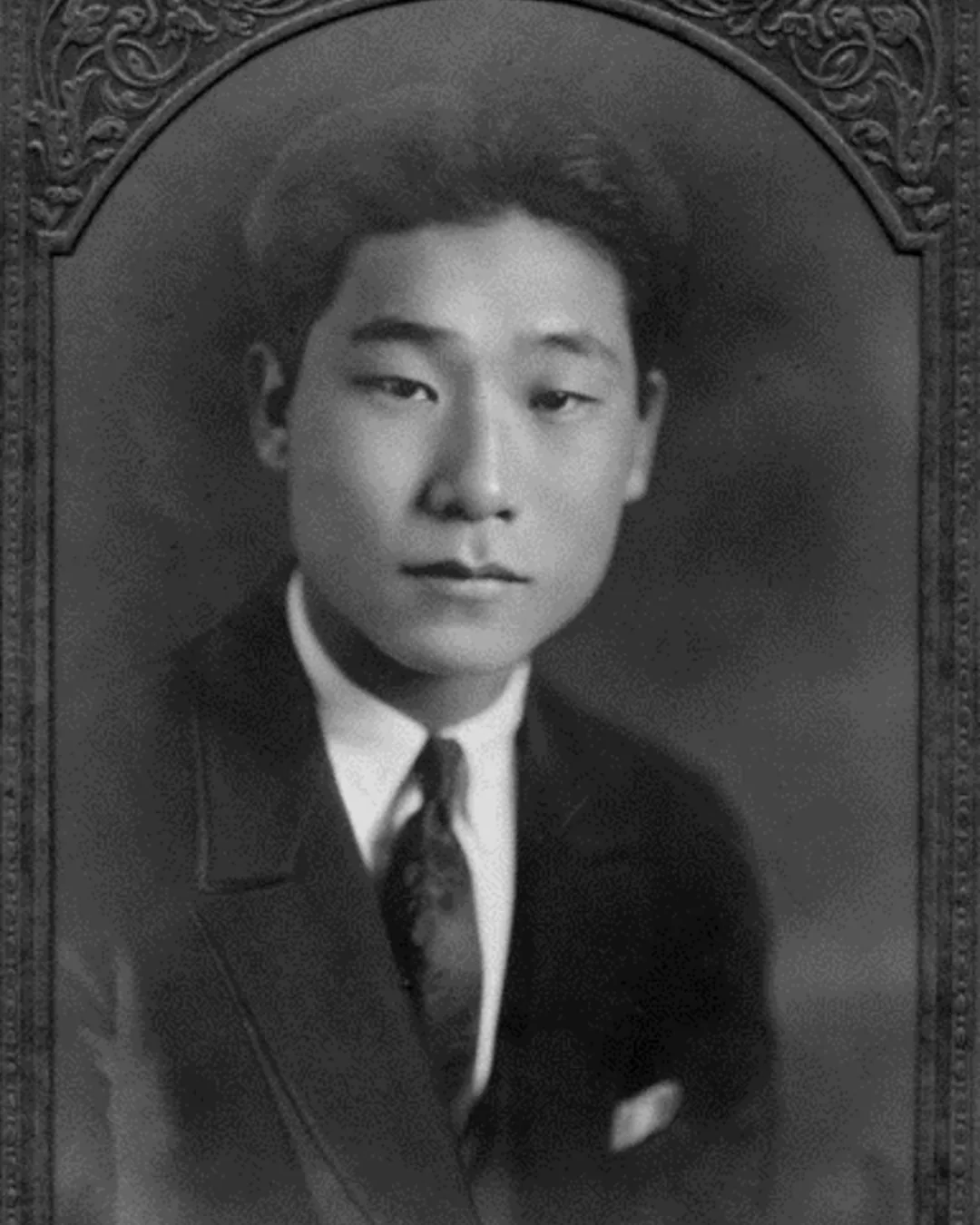
Philip Ahn as a young man, a portrait in an arched frame

The Thief of Bagdad set

The screen test

He was still in high school when he walked onto the set of The Thief of Bagdad. Douglas Fairbanks screen-tested him and offered him a job. Philip went home still wearing the makeup.
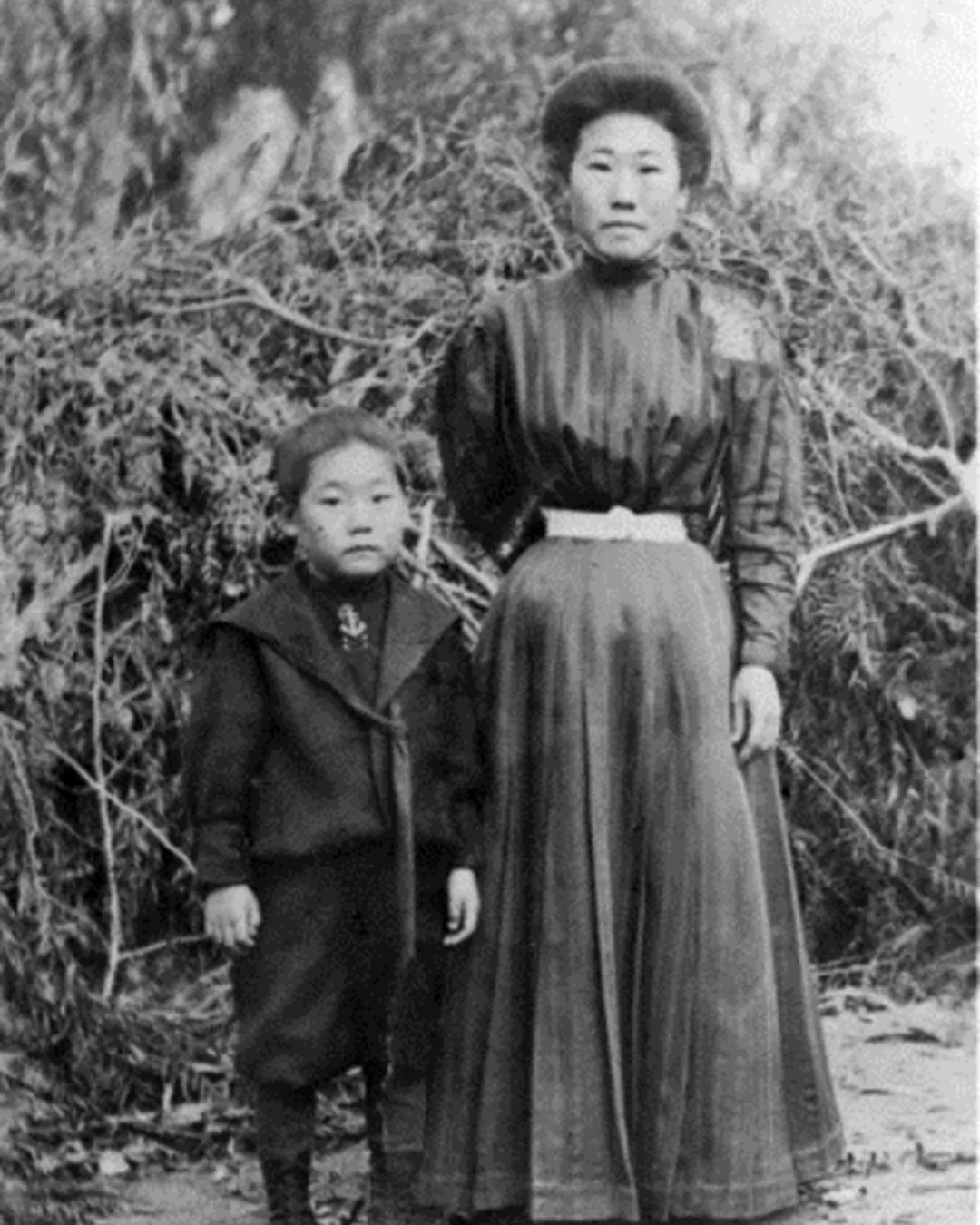
Yi Hye Ryon, Helen Ahn, standing outdoors with a small child

The Ahn house

His mother’s answer

His mother said no. In Korea, acting had a bad name, and his father was away in Asia. “No son of mine is going to get mixed up with those awful people.” He couldn’t leave the house for three days.
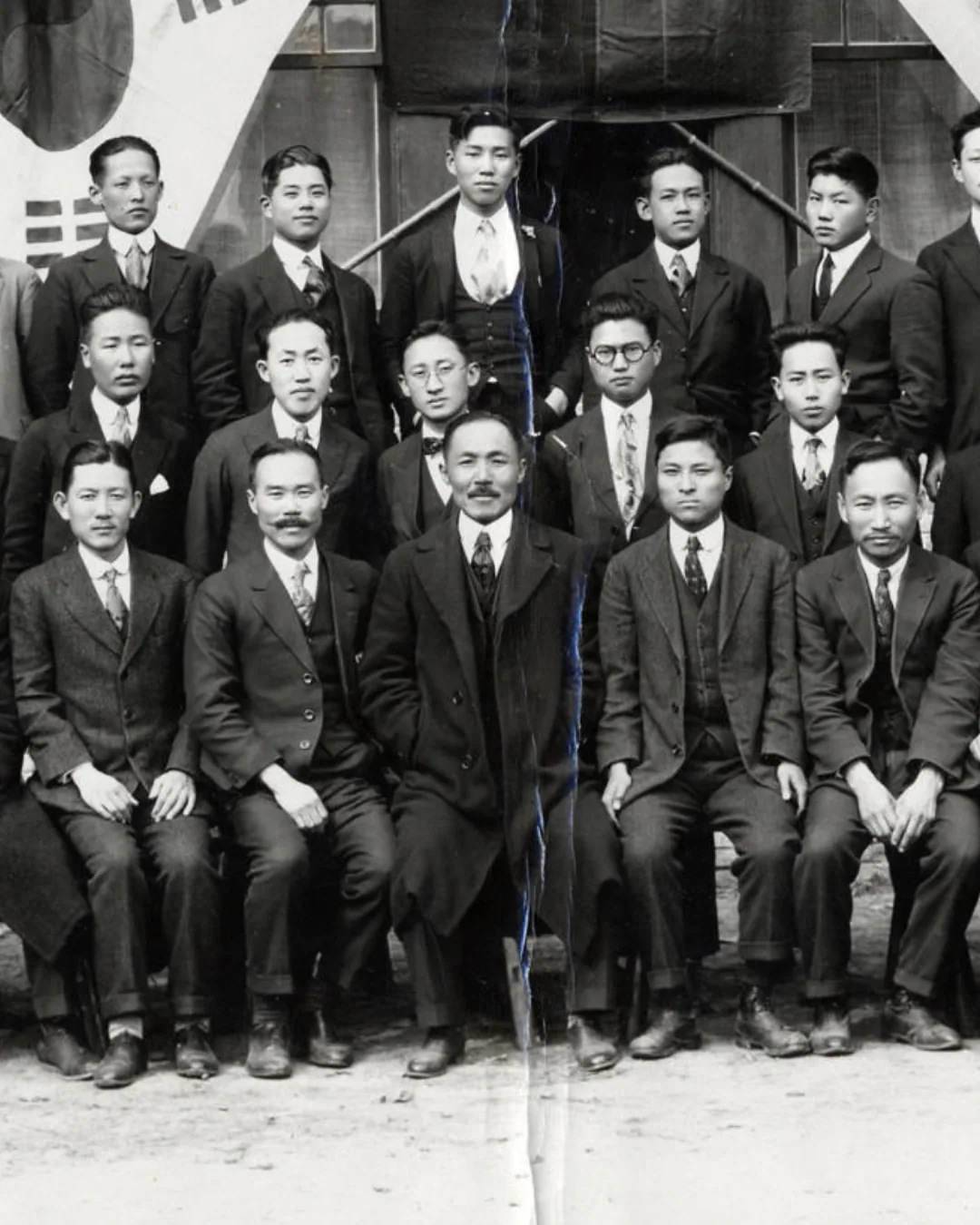
Dosan Ahn Chang Ho with the men of Dongmyeong Academy in China, in rows under a flag

Dosan comes home from China, 1925

His father’s answer

In 1925 Dosan came back from China, and Philip asked him for advice. Dosan didn’t forbid it. If acting was what he really wanted, then his goal was clear:

“Be one of the best.”
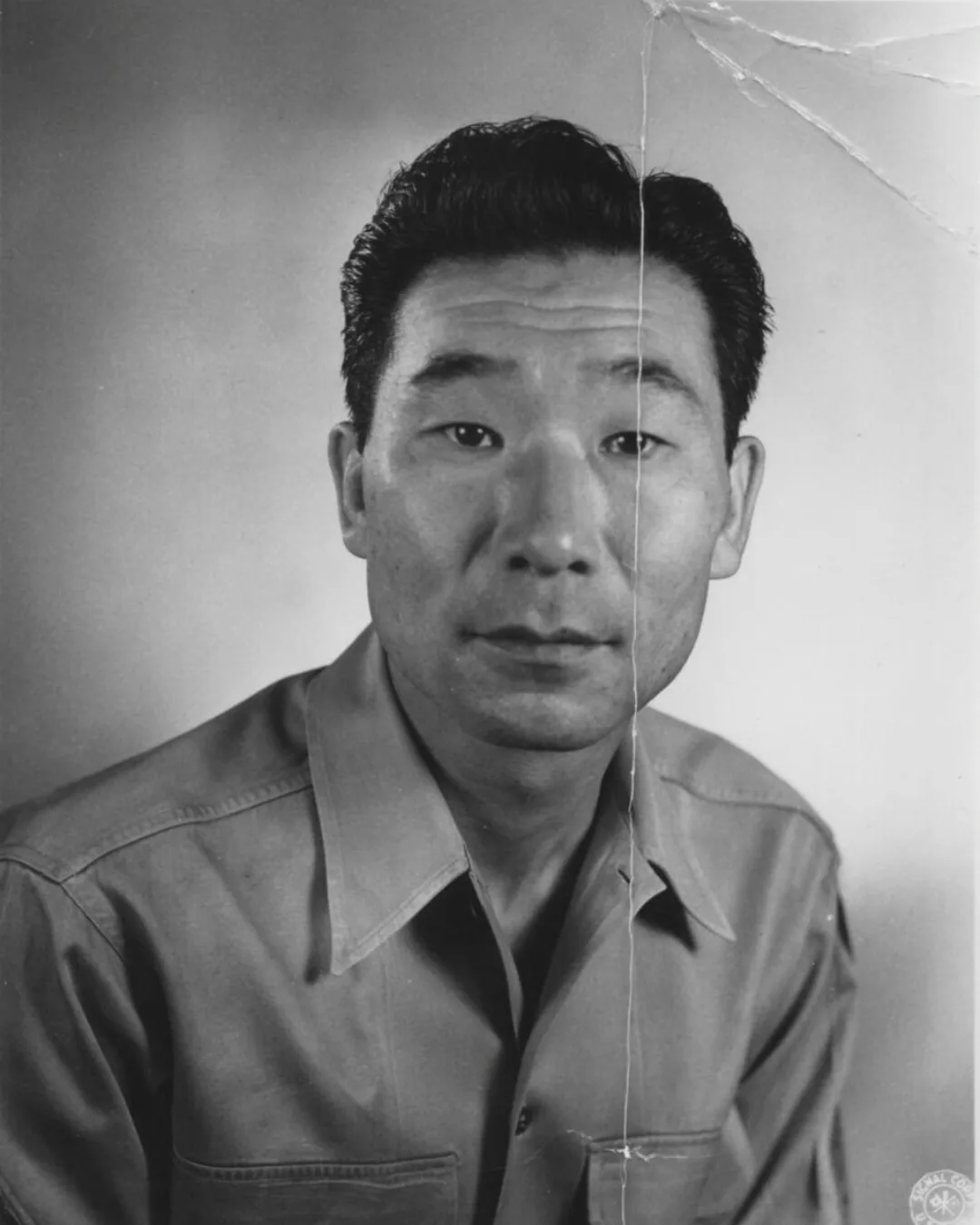
Philip Ahn as a grown man, a portrait in an open-necked shirt

The blessing

An art that does good

Dosan saw acting as an art that could do society some good. He saw his son was sincere, and gave his blessing. Philip’s success came from his determination to be one of the best.
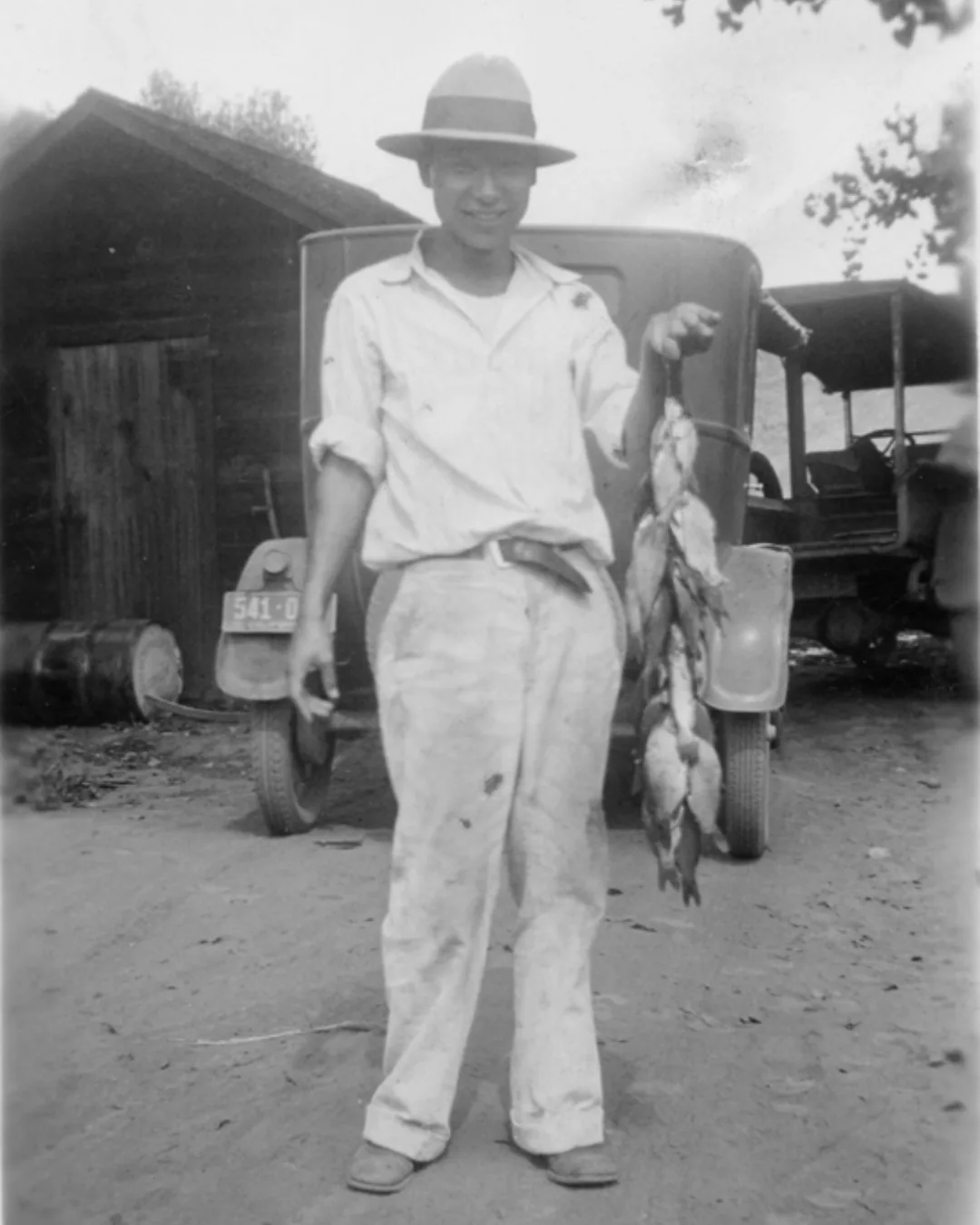
Philip Ahn in a hat and work clothes holding up a string of fish beside an old truck

Colusa to USC, 1923–1934

The long way in

There was no shortcut. With his father away, he worked the rice fields, drove produce trucks and ran elevators to support the family. In 1934 he went to USC for foreign commerce and took every film course he could. By the end of his second year, he was in pictures full time.
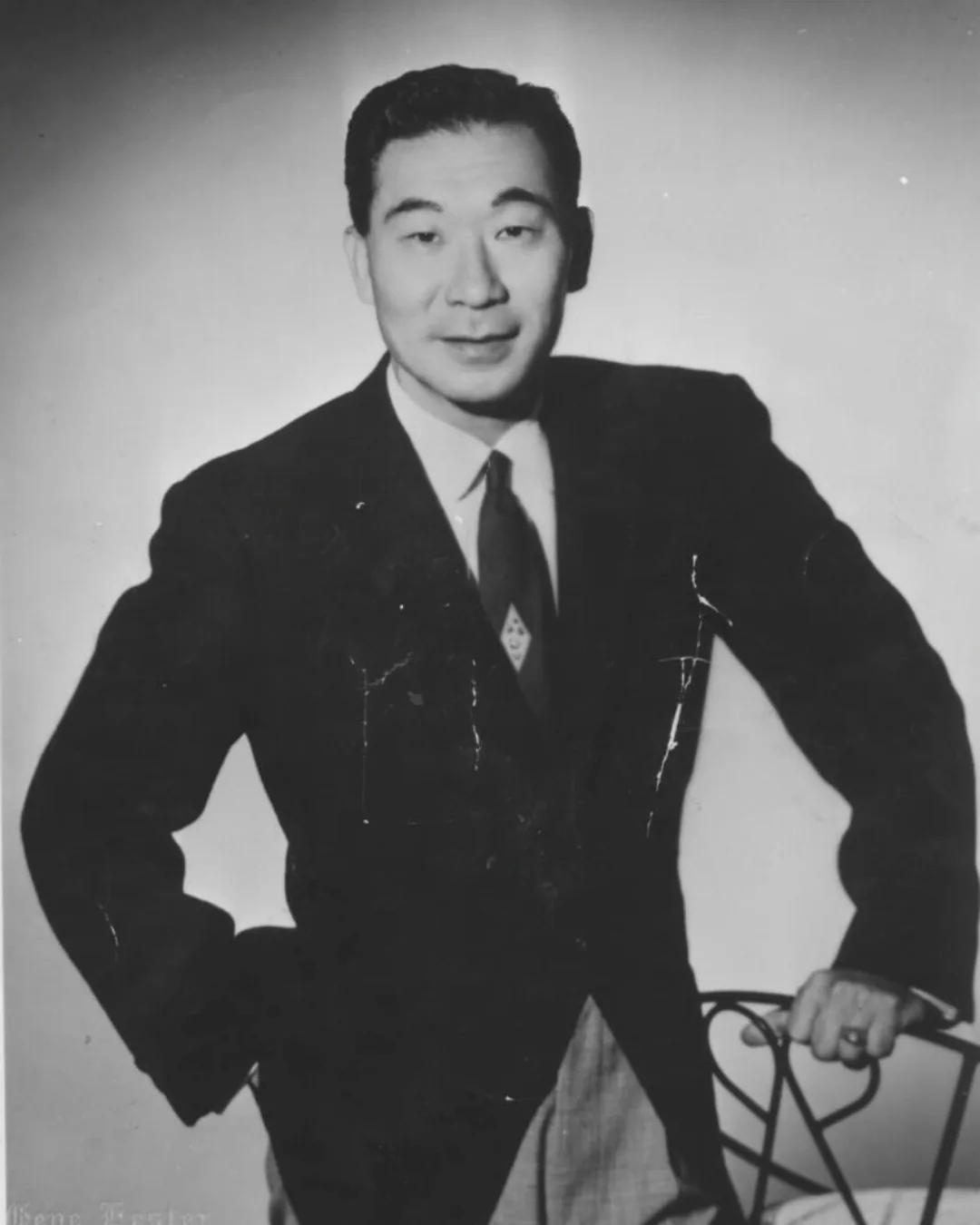
Philip Ahn in a dark suit, leaning on the back of a chair

Casting Anything Goes, 1936

Too good at English

Lewis Milestone turned him down for Anything Goes. His English was too good. On his way out, Philip put on a heavy accent and got the part on the spot. That same year, Mae West cast him in Klondike Annie.
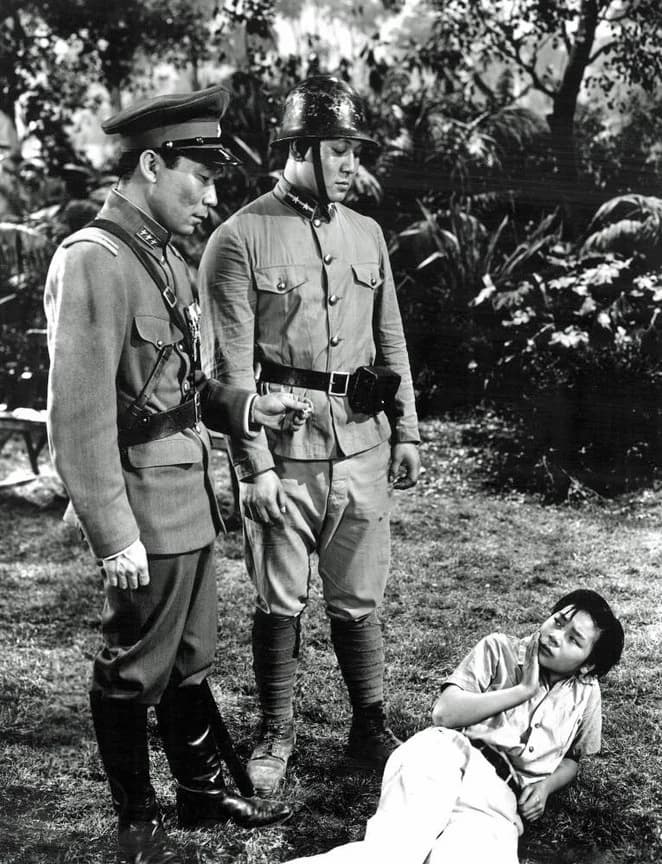
A film still from Back to Bataan: Philip Ahn as a Japanese officer beside a soldier, a boy on the ground

Hollywood, World War II

His part in the fight

In 1938 his father died at the hands of the Japanese. When Hollywood cast Philip as Japanese villains, he said making audiences hate them was his part in Korea’s fight for independence.

“If I was going to play the enemy, I was going to play him as viciously as I could.”

Back to Bataan. Philip said slapping the kid was one of his favorite scenes, since it really showed how evil the War with Japan was.

Seoul, November 1973

Together again

The Japanese had buried Dosan in the hills far from Seoul, so Koreans would forget him. Philip opened Dosan Ahn Chang Ho Park and buried his mother beside him.

Hollywood, 1976

For the ones after him

After almost fifty years of acting, he signed the call to cast Asian/Pacific Americans fairly in all roles. He wasn’t speaking for himself, but for the next generations.

“WE ARE NOT ALL ALIKE.”
Wall of fame

  • Four people in sombreros marked Mexico and Tijuana, seated on a cart beside a painted zebra
    Soorah and Philip, Tijuana, Mexico
  • A still from Never So Few, 1959: men in a jungle tent, one of them in a long red robe
    Never So Few, 1959, a movie about Indonesia leading to war in Vietnam, with Frank Sinatra, Charles Bronson, Steve McQueen and Peter Lawford. Sinatra came to the Moongate.
  • Philip Ahn in a US Army photograph, 1945: a soldier kneeling in a field with a flamethrower
    Philip in a US Army photograph, 1945. He served in the Army.
  • The ceremony for Philip Ahn’s star on the Hollywood Walk of Fame
    Philip’s star on the Hollywood Walk of Fame
  • A man standing on the stairs of a modern house with a balcony, 1958
    Philip’s house above the Hollywood Bowl, 1958.
  • Philip Ahn seated at a lacquer table with Korean dolls and objects in a living room
    Philip after his first trip to Korea, back on April 23, 1958.
  • A wedding at the Moongate: the bride in a white gown and the groom beside the cake, guests around them, an actress on the right in a silk dress
    Soorah’s wedding at the Moongate. The actress on the right was in a movie with Philip.
  • A still from Kung Fu: two bald men in monk’s robes standing side by side with their hands folded
    Kung Fu
  • A film still from Back to Bataan: two Japanese officers speaking to a boy
    Back to Bataan, 1945
  • A film still from Back to Bataan: Philip Ahn in a military uniform at a radio microphone, a portrait and a rising-sun flag behind him
    Back to Bataan, 1945
  • A film still from China Sky: Philip Ahn in a white medical tunic beside a uniformed officer and a man in a bed
    China Sky. Philip’s role as a doctor. For the first time in Hollywood history, an actor says he is Korean.
  • The poster for the film Battle Hymn
    Battle Hymn. The first Hollywood film about the Korean War. For many years it was the only film about the War that people in South Korea could watch. It was about orphans.
  • Philip Ahn in a dark tunic at a desk, a pen in his hands, window blinds behind him
    Philip Ahn
  • A still from Battle Hymn: an old Korean man in a horsehair hat beside Rock Hudson in an officer’s cap and jacket
    Battle Hymn, with Rock Hudson, 1957
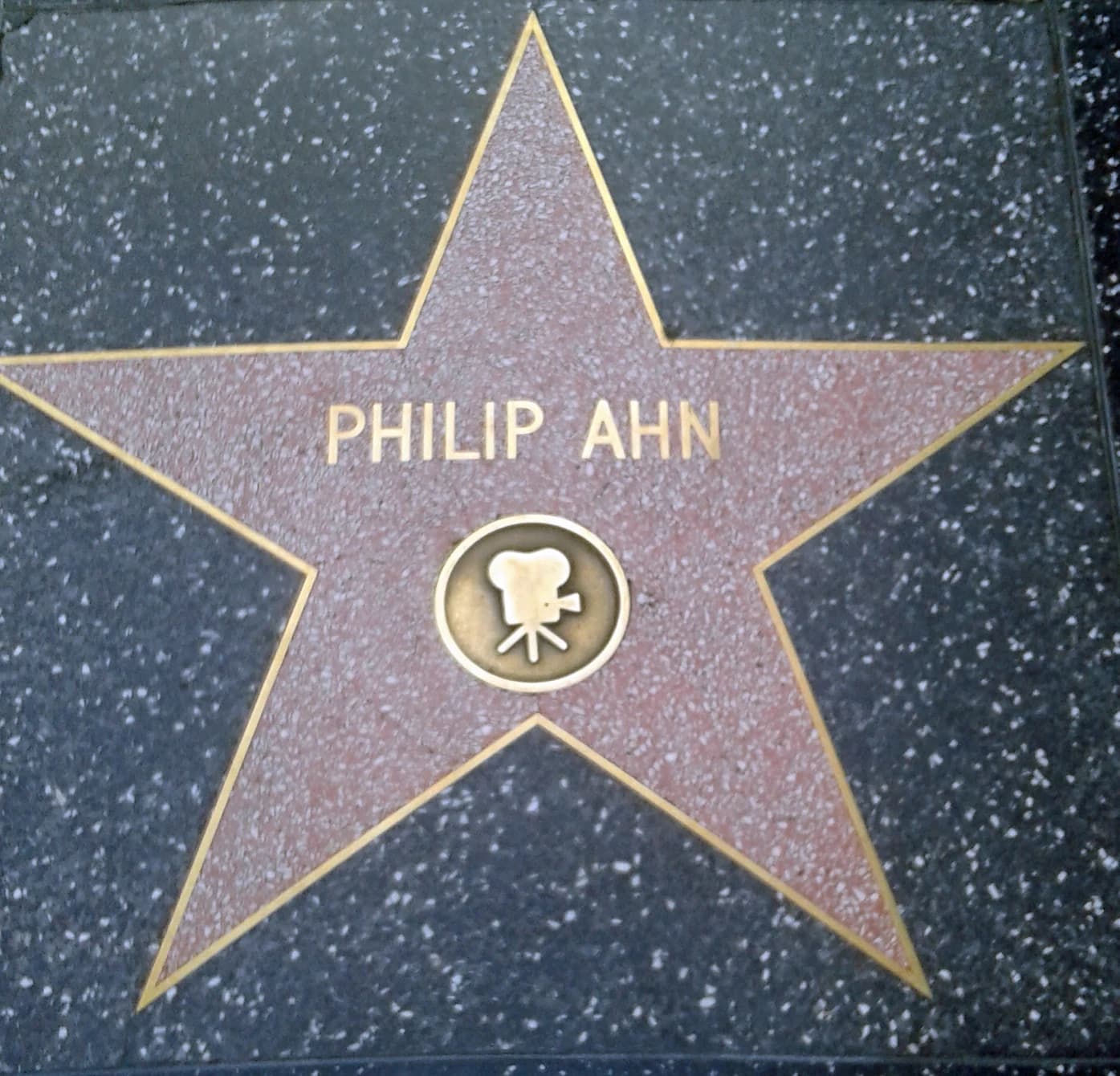
Philip Ahn’s star on the Hollywood Walk of Fame, with the film camera emblem
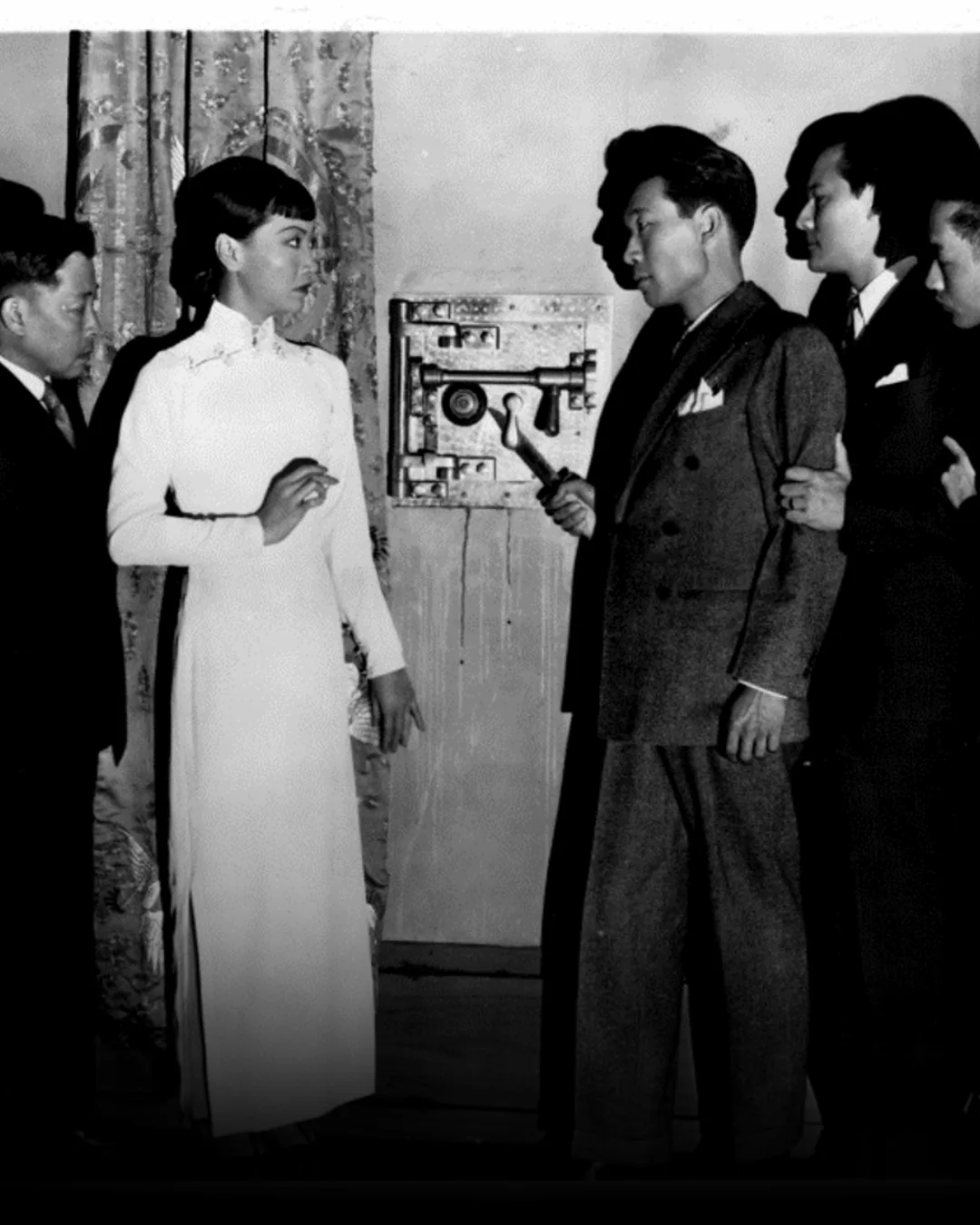
A film still: Philip Ahn in a suit beside an actress in a white gown
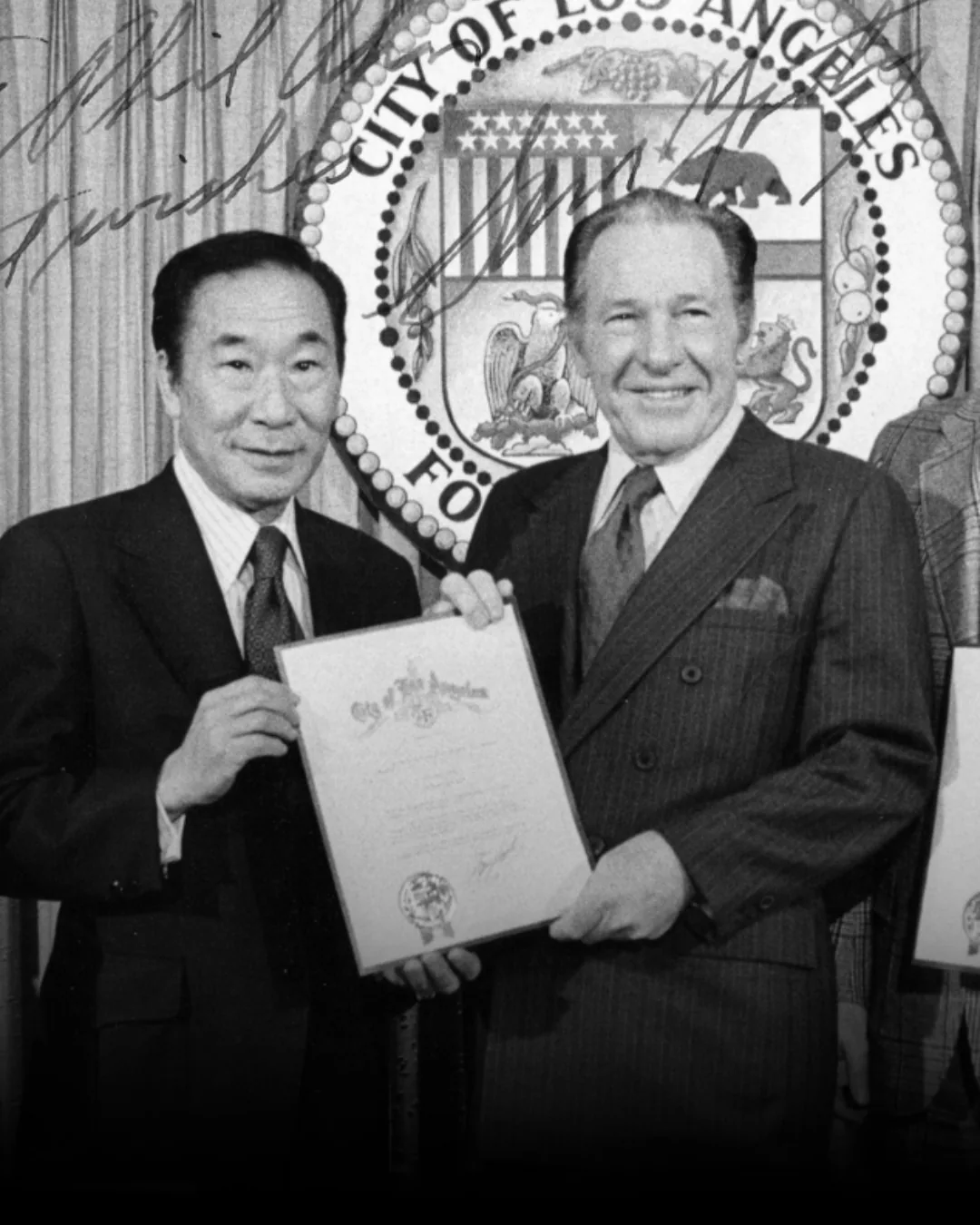
Philip Ahn holding a framed certificate in front of the seal of the City of Los Angeles
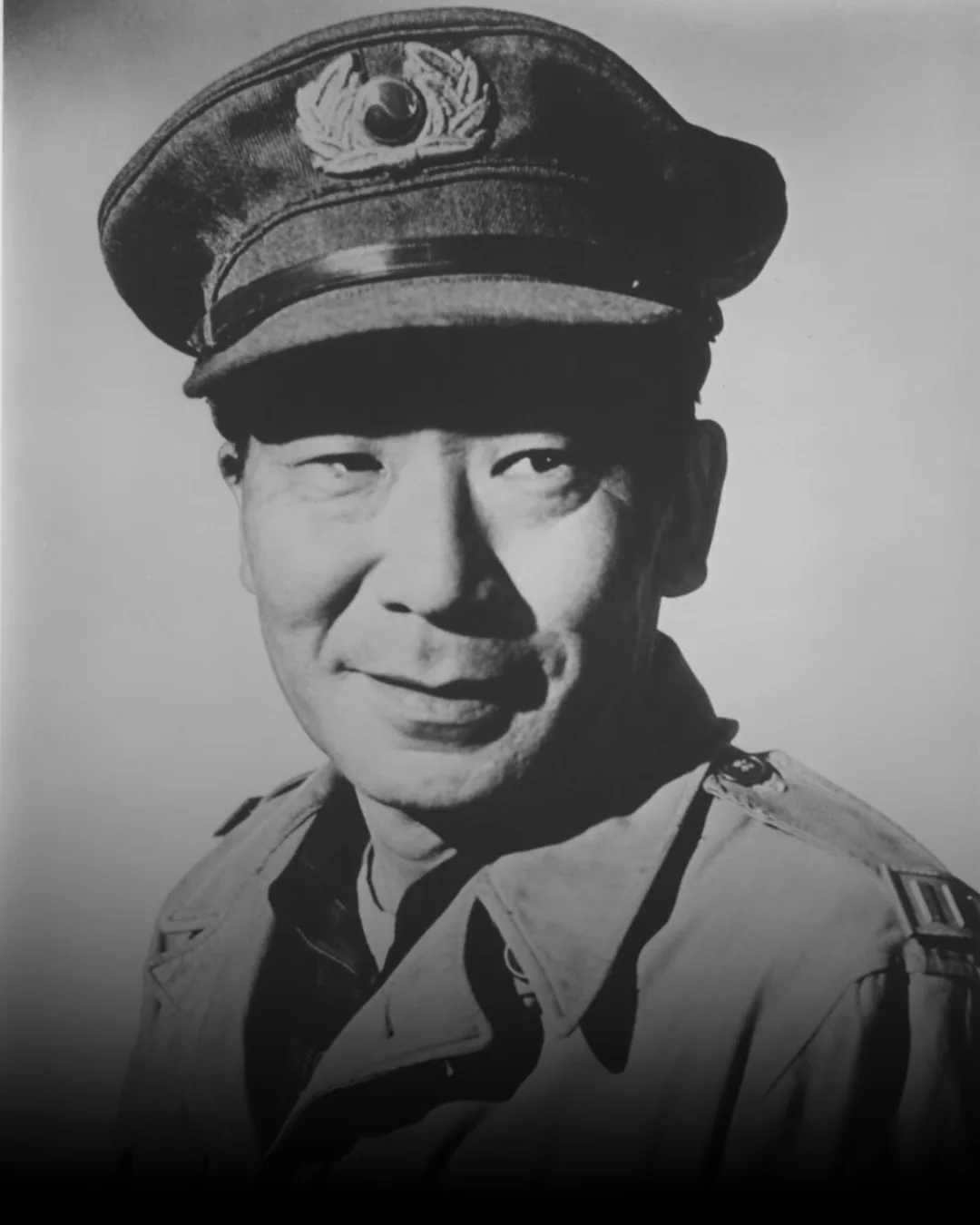
Philip Ahn in a uniform and peaked cap

Over 180 films

Star on the Hollywood Walk of Fame, 14 November 1984. Los Angeles named the day Philip Ahn Day.

He led Los Angeles’ sister city ties with Pusan and the Korean Friendship Bell.

The pioneer who broke the barrier for the generations after him.

Reading

Reading

Text size

Contrast

Motion