Dosan Media Dosan Media
안창호

Island Mountain

Dosan Ahn Chang Ho

도산 Dosan means Island Mountain.

島 도 Do · Island山 산 San · Mountain
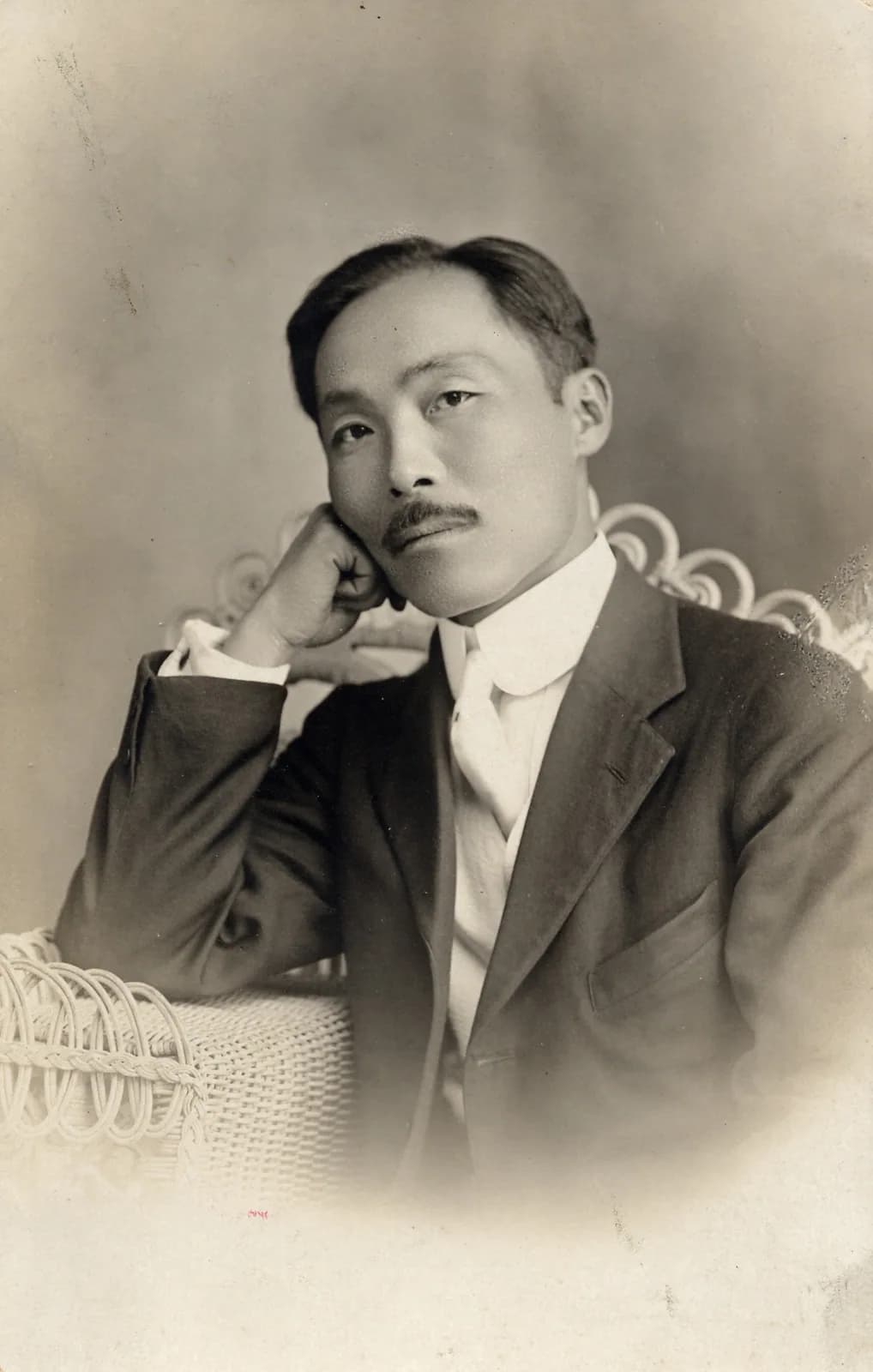
Studio portrait of a man resting his head on his hand, seated in a wicker chair
Dosan, 1917
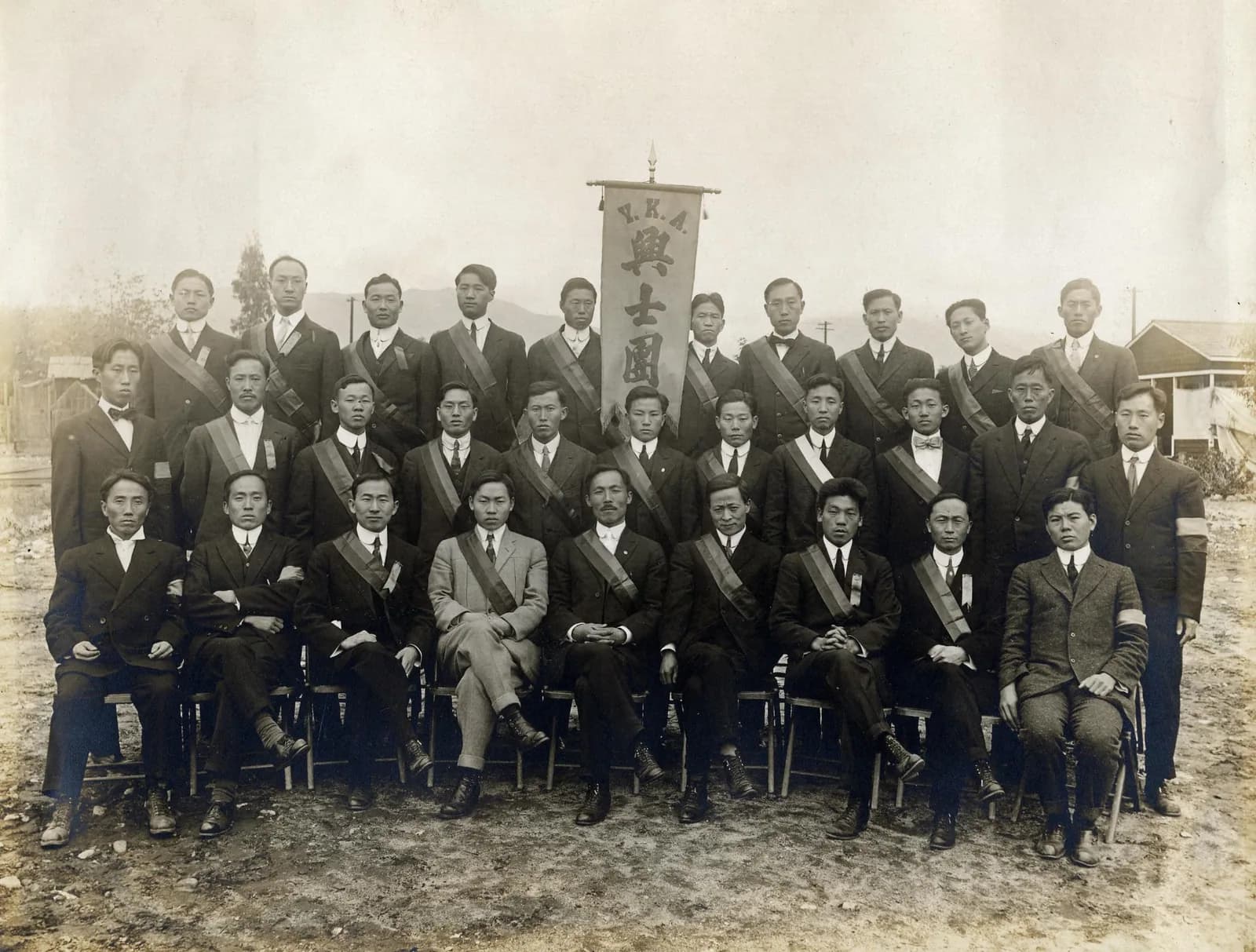
About thirty men in suits, most wearing sashes, in three rows around a standing banner lettered Y.K.A. and 興士團
1916 Young Korean Academy, Hung Sa Dan, meeting at Claremont, California. The organization was founded in San Francisco in 1913.

What he stood for

Dosan's four principal ideals could be described with one concept: sincerity.
  • 務實TruthAlways seek the truth.
  • 力行ActionAct upon the truth.
  • 忠義LoyaltyBe loyal and trustworthy.
  • 勇敢BraveryHave courage to uphold the truth.
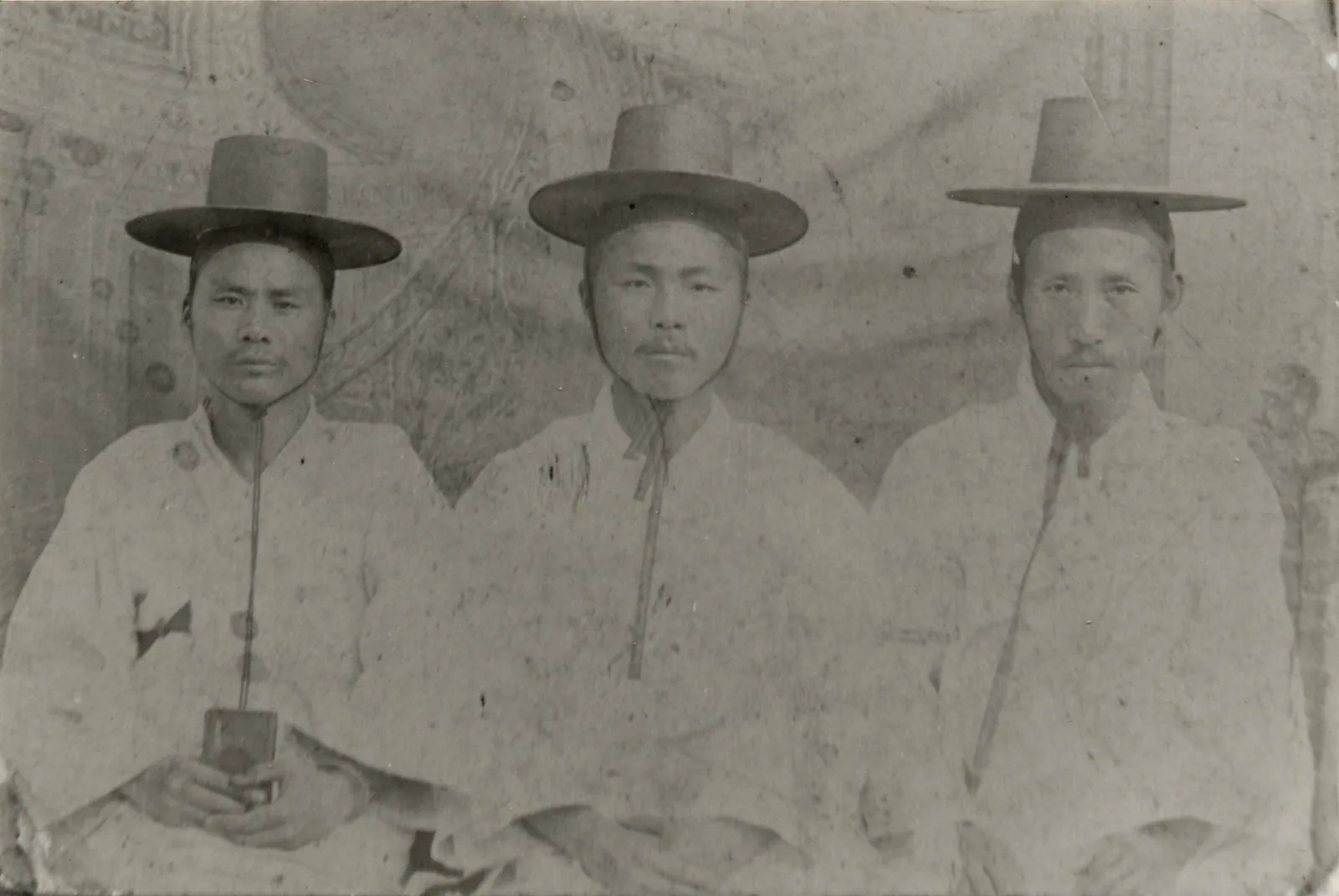
Three young men seated side by side in black horsehair hats and white robes, 1898
Young Dosan, 1898
1899

The first school for girls and boys

At 21, back in his home county, he opened Jeom Jin School. It was the first modern school in the county, and the first in Korea to teach girls and boys together.
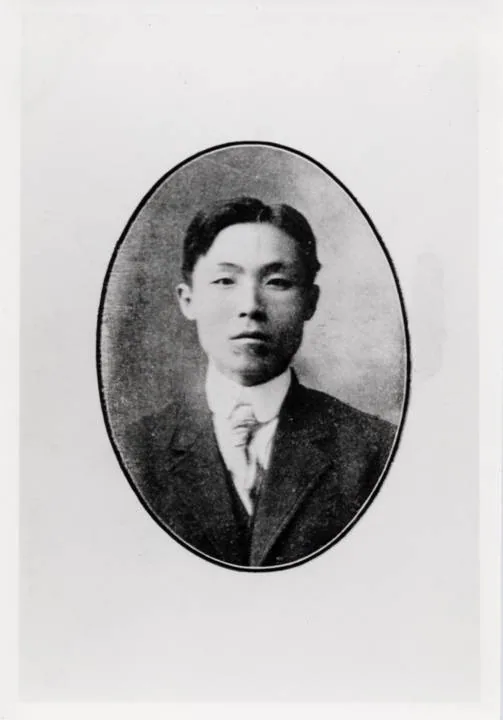
Oval studio portrait of a young man in a dark suit and tie
Dosan, 1902
1902

Do San: Island Mountain

Near the Hawaiian Islands he coins his pen name, Dosan. (1902)
  • 島 도 Do · Island
  • 山 산 San · Mountain
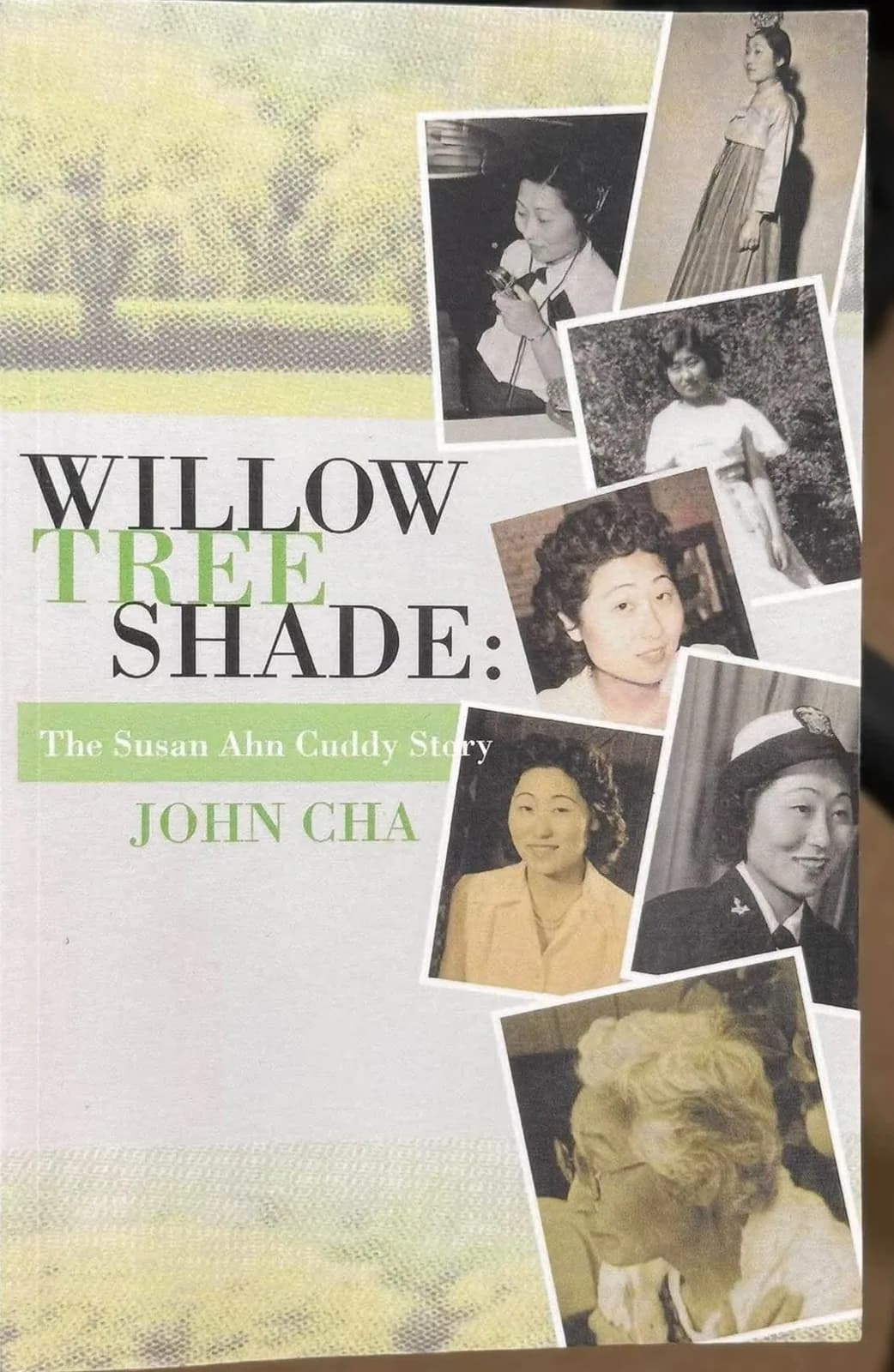
The cover of Willow Tree Shade: The Susan Ahn Cuddy Story by John Cha, with photographs of Susan Ahn Cuddy across her life
Willow Tree Shade: The Susan Ahn Cuddy Story, by John Cha. Chapter 3.

How he lived it

Dosan Ahn Chang Ho's life is a clear example of right action and impeccable honesty. His leadership, love of his country and service to his countrymen were boldly sincere.

Dosan refused: ‘It seems that you are selling Chinese ginseng as Korean ginseng for more money, and I cannot do that.’

John Cha, Willow Tree Shade: The Susan Ahn Cuddy Story, chapter 3
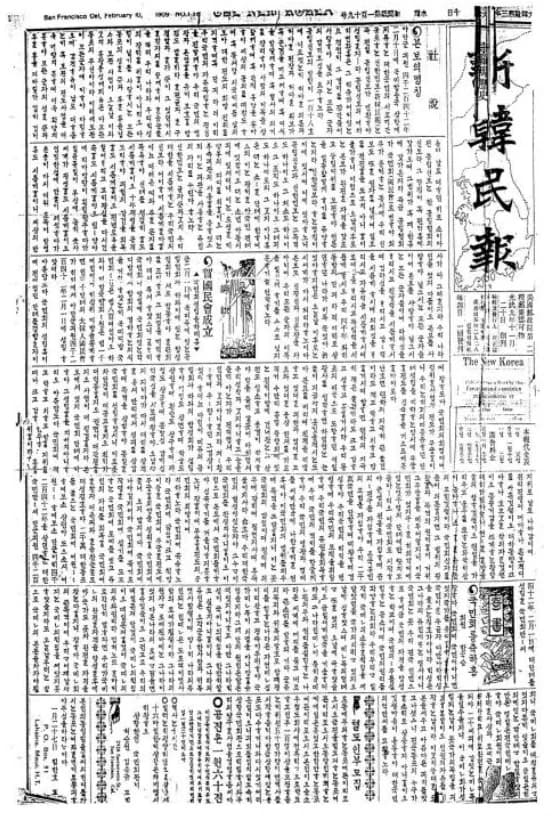
A front page of the Shinhan Minbo newspaper dated 10 February 1909, dense columns of old Korean and Chinese characters under a masthead
Shinhan Minbo, 10 February 1909
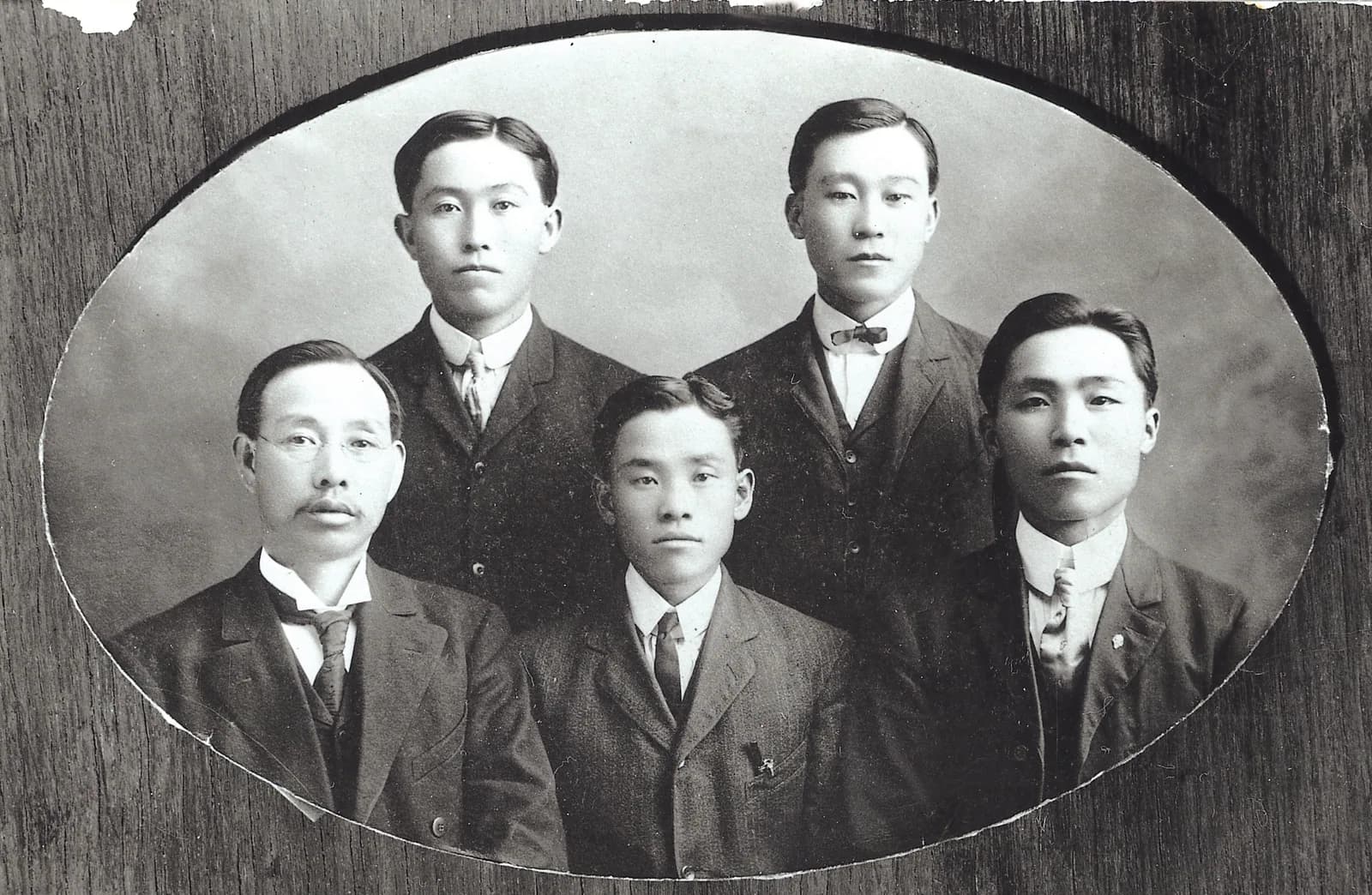
Oval studio portrait of five men in suits, one seated older man wearing spectacles
Song Seok Joon, Im Jung Ki, Yi Kang, Chung Jae Kwon and Dosan, 1907
1907

He said no to Ito

In 1907 Ito Hirobumi, the man running Japan’s takeover of Korea, offered Dosan a place in a cabinet to rule Korea together for Japan. Dosan turned him down.
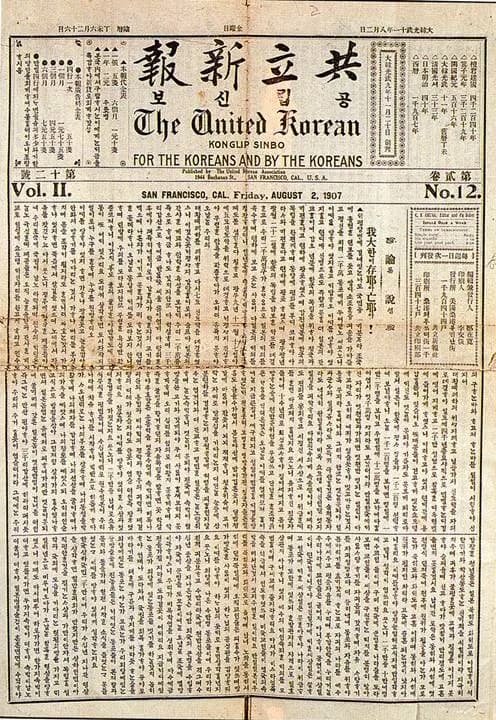
A newspaper page in Korean and Chinese characters set in vertical columns, masthead The United Korean
Kongnip Shinbo, 2 August 1907
1919

March 1, 1919

In Korea, the March 1 Movement begins.

  1. He is elected representative of the KNA at a general meeting. He makes a speech entitled “Let’s Support the 3.1 Movement,” urging Koreans in America to provide economic support.
  2. He departs San Francisco with $6,000 raised for the purpose of establishing the Korean Provisional Government in Shanghai.
  3. He arrives in Shanghai via Honolulu and Hong Kong.
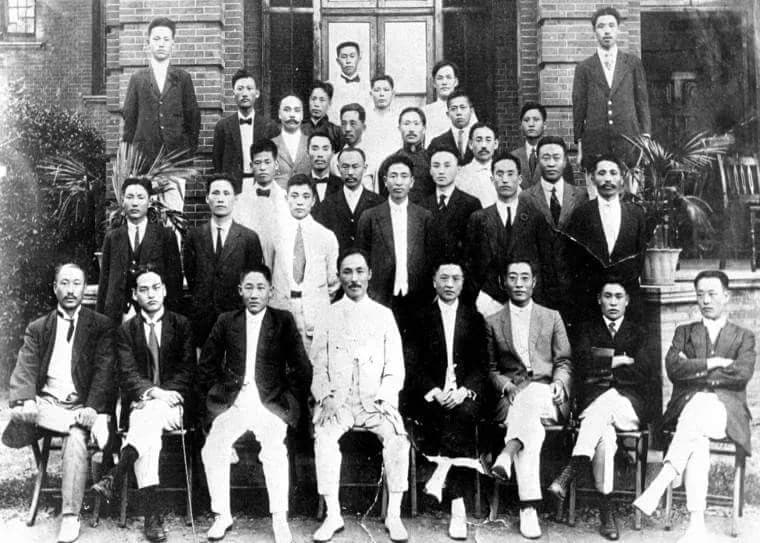
Around thirty men in suits arranged in rows on the steps of a brick building
Korean Provisional Government, Shanghai, 1919
1919

The government in exile

After the March 1st Movement, he raised $25,000 from Koreans in America and sailed for Shanghai. There he helped build the Korean Provisional Government as Minister of Labor. Minister of Interior was Jo So Ang. He set up a Korean Red Cross and started the government’s newspaper, The Independence.

  1. He is selected as Minister of the Interior and acting Prime Minister of the Korean Provisional Government in Shanghai.
1919

1919

  1. He issues Republic of Korea treasury bonds in the name of the Minister of the Interior and establishes a poll tax system. He reports to the assembly on the direction of the foreign affairs department and its intent to focus on diplomatic activity in Washington, D.C. and Paris.
  2. He establishes, in the name of the Minister of the Interior, the Korean Red Cross.
  3. He begins publication of “Independence” (Tong Nip), the official newspaper of the Provisional Government, renamed the “Independence Newspaper” (Tong Nip Shin Mun) from September 25.

An organization without respect for the truth is like a body without blood, or a brick fence without mortar.

Dosan
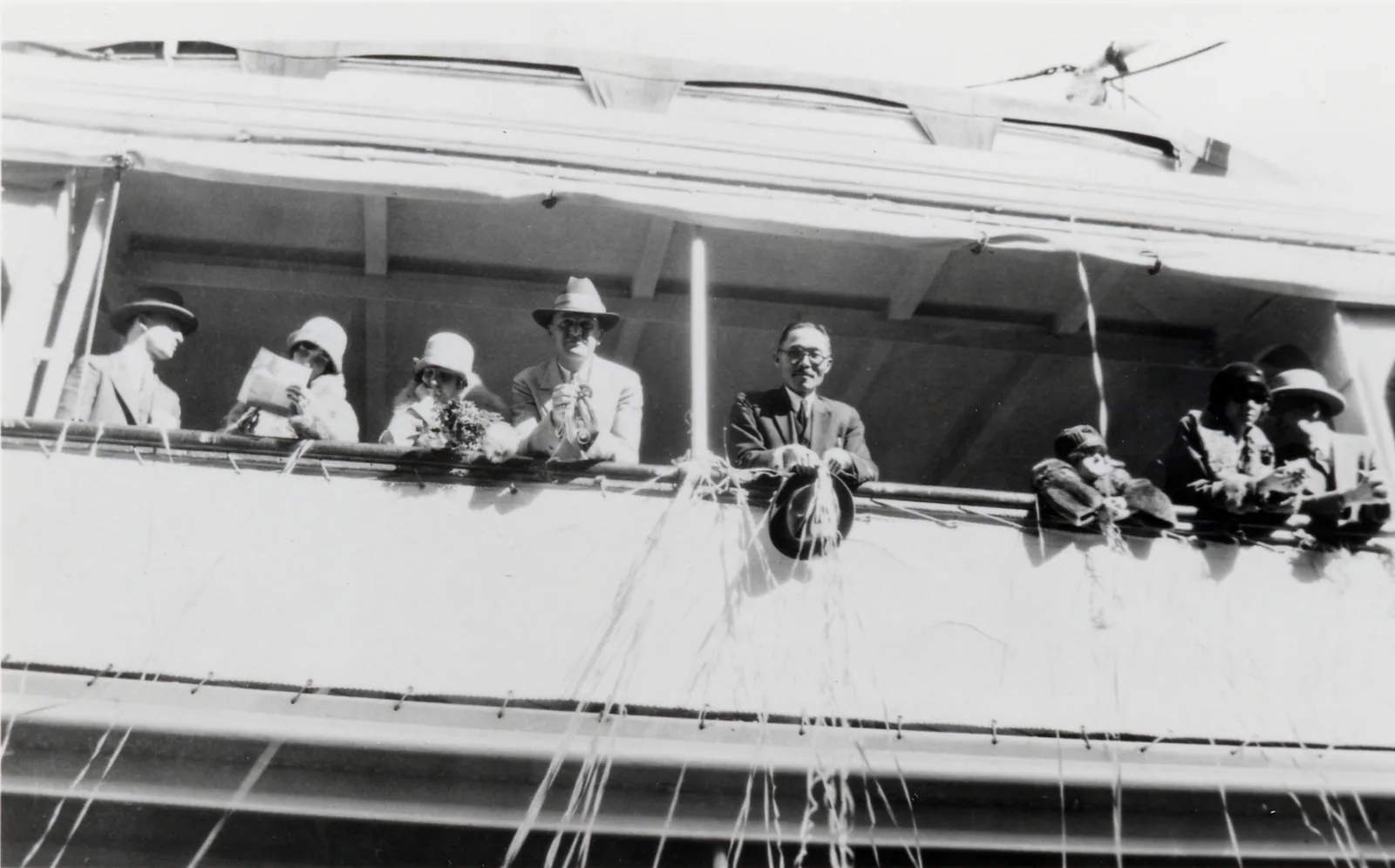
Passengers at the rail of a ship leaving San Pedro, 1926.
1926

Leaving San Pedro

For Dosan, loyalty meant Korea first, even when it cost him his family. In 1926 he left Los Angeles to fight for Korea's independence. Helen raised their five children in California by herself. He never came back.
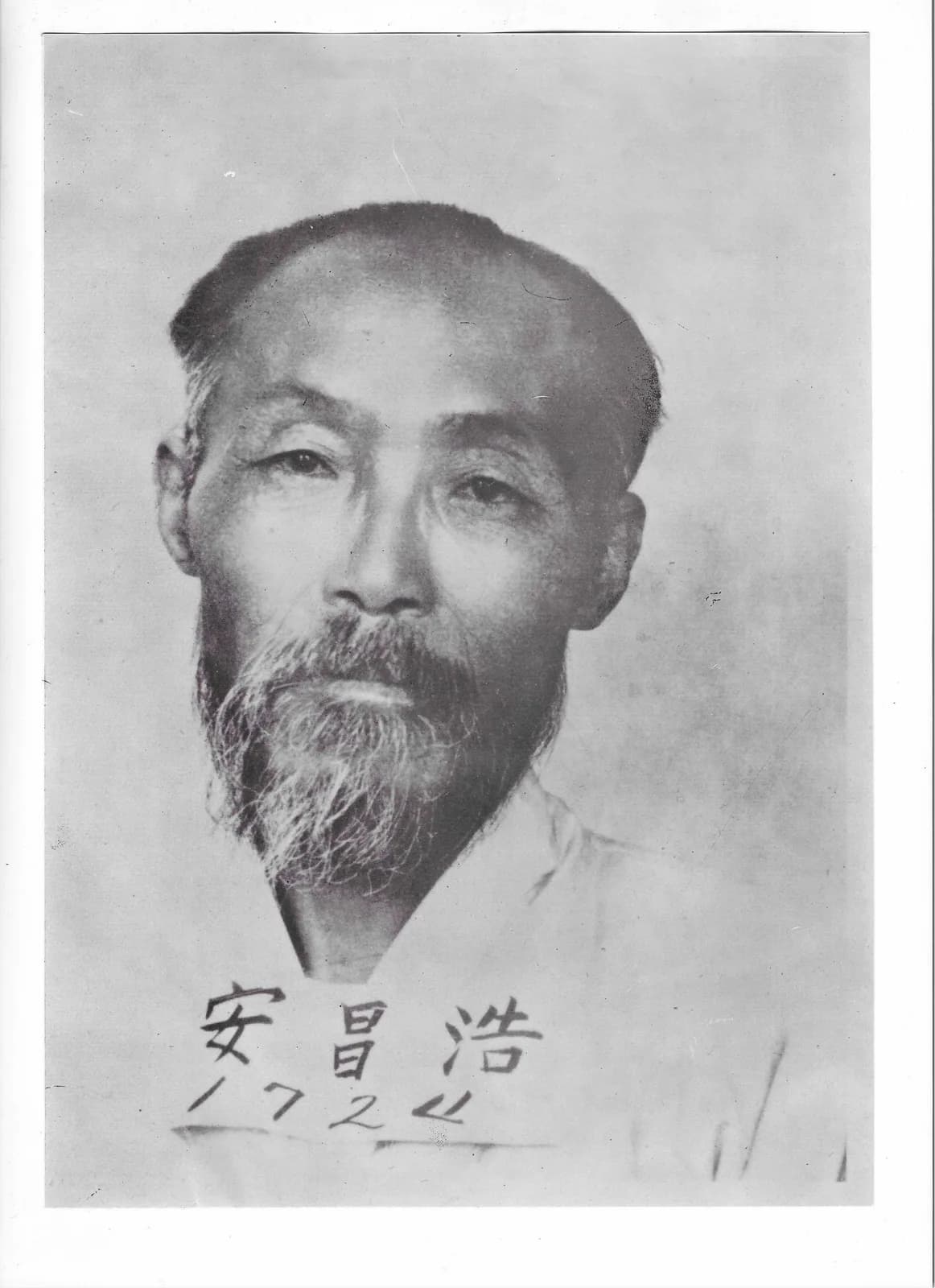
Head-and-shoulders prison photograph of an older man with a grey beard, the name 安昌浩 and a number written across the lower edge
Prisoner 1724, Sodaemun Prison, 1937
1932–1938

How he died

In 1932 he was arrested in Shanghai and handed to the Japanese. He spent four years in Seodaemun and Daejeon prisons. In 1937 they arrested him one last time. He died in a Seoul hospital on 10 March 1938. According to Dr. Won Tai Sohn, the Japanese military police put ground glass in his food.

...Even if you die, there must be no lies.

Dosan
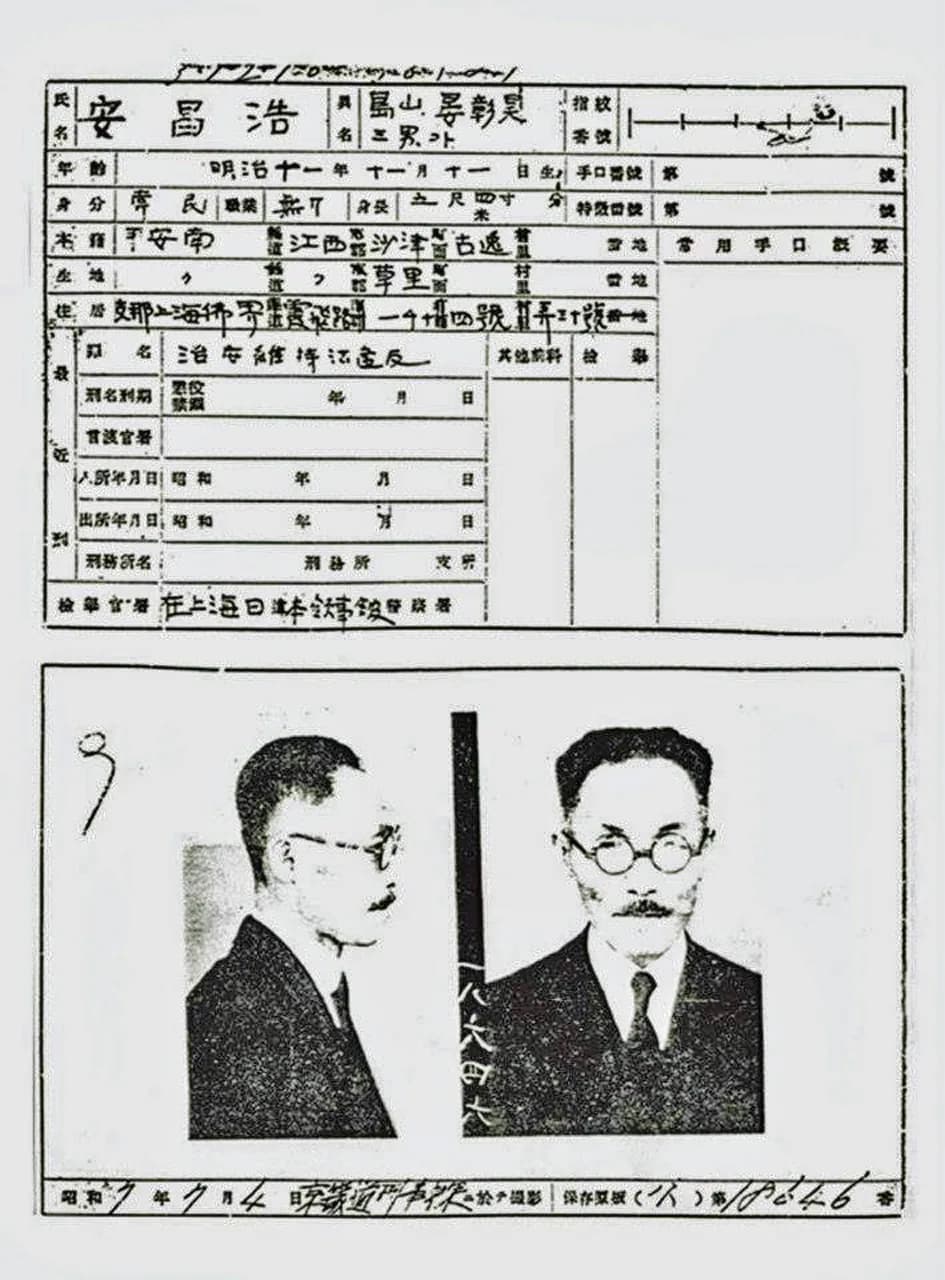
Japanese colonial prison registration card carrying a portrait photograph and printed fields completed by hand
Sodaemun prisoner registration card

There are two kinds of pain. The pain that hurts and the pain that alters. Dosan took all the hurt the Japanese inflicted on him. The Japanese never altered his love for Korea and his countrymen.
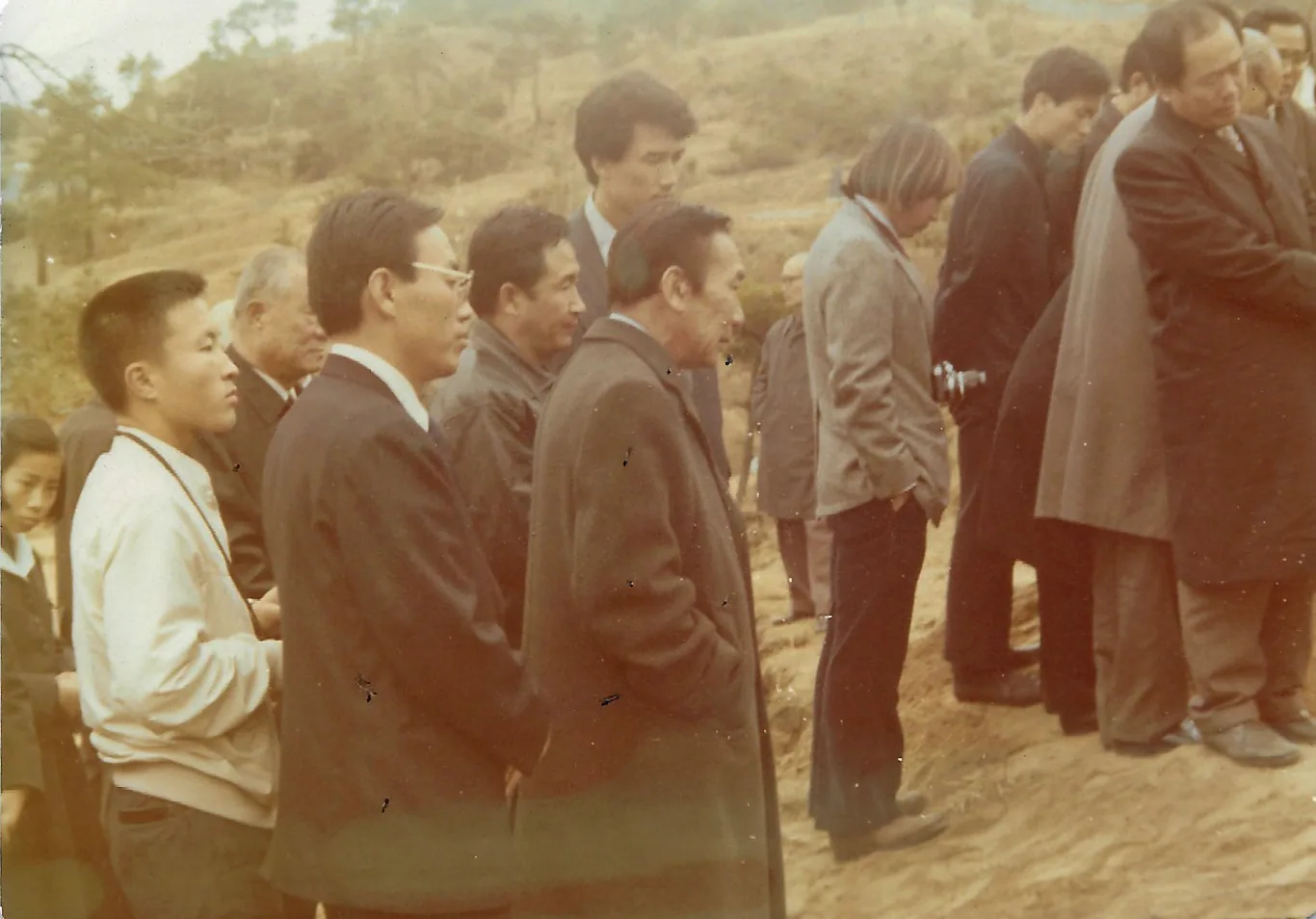
Two men at a graveside on a hillside at Manguri, one holding a camera, during the 1973 exhumation
The grave opened at Manguri, November 1973
1973

Home

Japan buried him in a public cemetery at Mangwoori. In November 1973 his son Philip moved him to Dosan Park, beside Helen. His grandson Flip was there, watching the grave workers.

Let us establish the basis of the success of our great and holy works on truth and righteousness and not fallacy and deceit.

Dosan

도산

Truth is the standard we hold his name to, and everyone who uses it.

Reading

Reading

Text size

Contrast

Motion